
The Evolution of Online Gaming in 2025
The year 2025 has brought about significant changes and trends in the online gaming world, with 'niceph' playing a pivotal role in shaping the industry's dynamics.


The realm of online gaming has undergone significant transformation over recent years, shaped by advances in technology, shifting cultural dynamics, and the ever-growing engagement of global communities. As we find ourselves in 2025, platforms like 'niceph' are emerging as significant cornerstones for enthusiasts and professional gamers alike, redefining what it means to engage authentically with digital content.
The landscape of gaming has expanded beyond mere entertainment, evolving into a multi-faceted experience encompassing education, recreation, and community building. 'Niceph', an increasingly popular keyword among gaming aficionados, demonstrates this shift by integrating sophisticated social networking functionalities, augmented reality, and AI-driven interactive experiences.
For many users, especially within the millennial and Gen Z demographics, platforms like 'niceph' offer more than just games; they provide virtual spaces for social interactions, collaborative problem-solving, and digital escapism. As these communities evolve, issues of inclusivity and accessibility remain at the forefront. Ensuring a diverse and welcoming environment in these digital spaces is not just a social imperative but also a driver of innovation and engagement.
Moreover, the gaming industry's economic impact continues to climb, spurred on by ever-increasing internet accessibility and the proliferation of smartphones and other mobile devices. Companies across the globe are investing heavily in research and development, keen to capture the burgeoning market that looks set to reach unprecedented size by the decade's end.
Looking ahead, the focus will likely continue on enhancing user experience by leveraging future technologies. Mixed reality (MR) and enhanced AI appear poised not just to enrich game mechanics but also to embody the interactive experience that users have come to expect in this era.
In conclusion, as online gaming continues to evolve, platforms like 'niceph' are pushing the boundaries of what digital environments can achieve, blending sophisticated technology with vibrant, interactive user-generated worlds. This not only attracts regular players but also opens up endless possibilities in how we interact, compete, and, above all, connect through the digital matrix of modern gaming.

If you're looking for a reliable, fully licensed, and secure sportsbook with a wide selection of games, niceph is the perfect choice. We're committed to providing you with the best online betting experience, with premium quality, excellent service, and continuous innovation. Sign up now and receive ₱777 for free!
Join now
Get the latest information, experience and betting strategies from the expert team at niceph.
The year 2025 has brought about significant changes and trends in the online gaming world, with 'niceph' playing a pivotal role in shaping the industry's dynamics.

Exploring the impact of niceph and game technology on modern gaming culture.

Exploring how NICEph is influencing gaming culture and community dynamics in 2026.
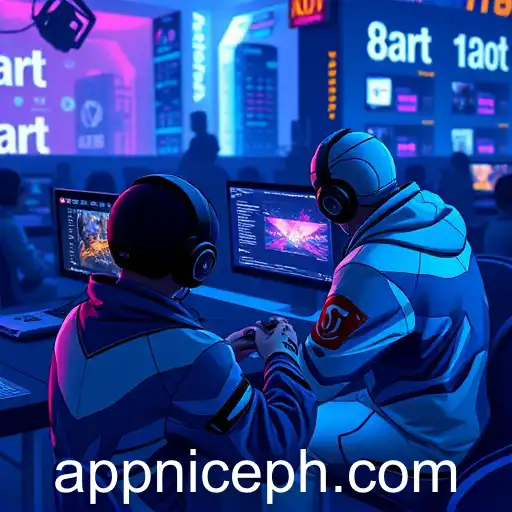
Exploring the impact and growth of Niceph on the gaming landscape in 2025.

Exploring how game websites like niceph are shaping the gaming world in 2026 through innovation and technology.

Niceph continues to innovate and engage the gaming community with cutting-edge technology and community-driven advancements.
 Join now